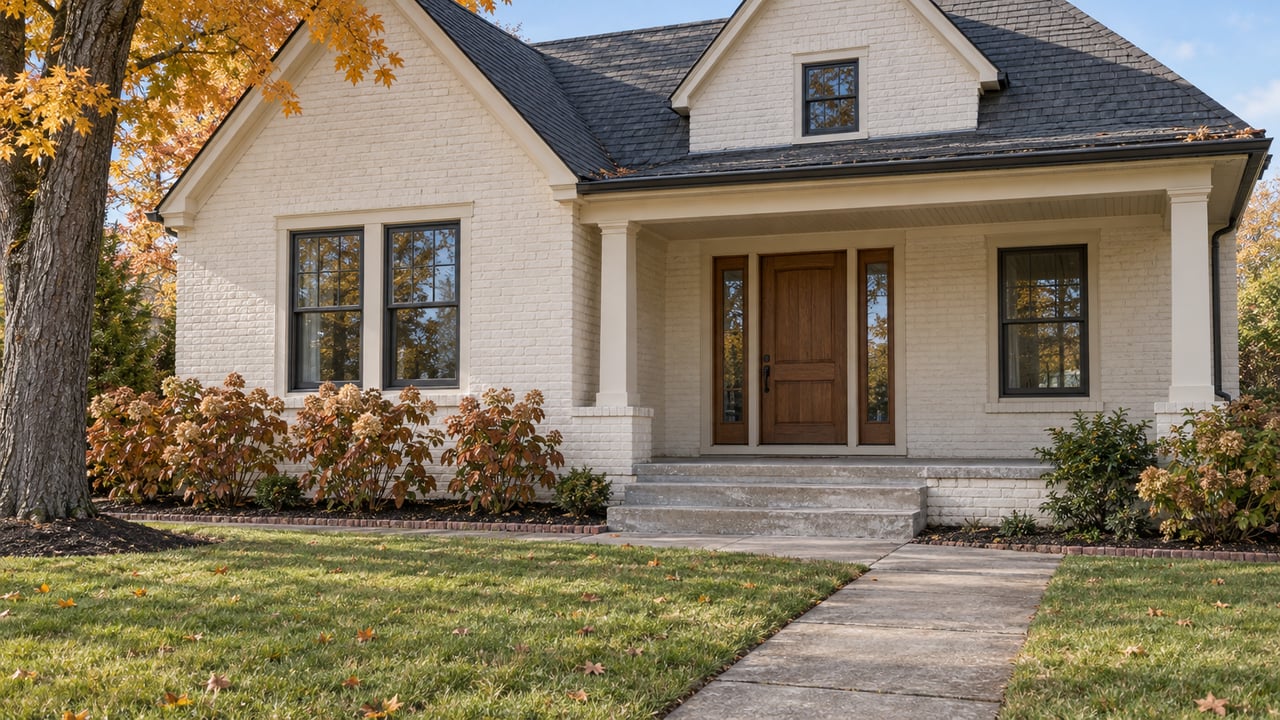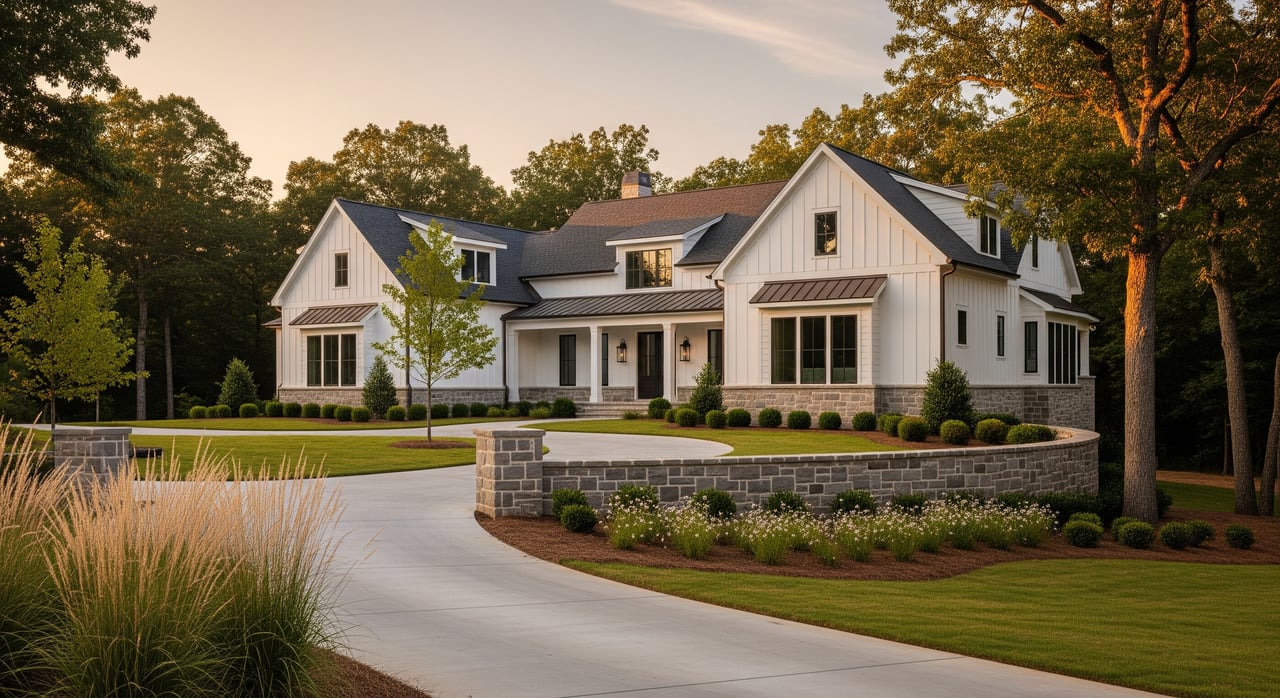
Thinking about a new build in Thompson’s Station but not sure which neighborhoods fit your commute, space needs, and lifestyle? You’re not alone. The area offers a mix of master-planned communities, smaller subdivisions, and acreage options, each with different timelines, amenities, and costs. In this guide, you’ll learn how new construction in Thompson’s Station works and how to compare your choices with clarity. Let’s dive in.
What new construction looks like in Thompson’s Station
Thompson’s Station sits just south of Franklin in southern Williamson County. You get a suburban feel with pockets of open space and easy regional access via I-840. Most new homes here are single-family builds, with a few attached options in select areas.
Buyers usually compare three main paths:
- Master-planned communities with amenities like pools, trails, and clubhouses.
- Smaller, faster-turnover subdivisions with limited shared spaces.
- Estate or acreage homes that favor privacy over amenities.
Each path has trade-offs in price range, yard size, commute, and build timeline. Your best fit depends on how you weight convenience, space, and neighborhood activity.
Master-planned communities
Master-planned communities are larger neighborhoods with multiple phases and several product lines. If you want community features and organized streetscapes, this may be your lane.
What to expect:
- Product types: Primarily single-family detached with varied floorplans. Some phases may add attached options.
- Amenities: Clubhouse, pool, sidewalks, greenway-style trails, and pocket parks are common.
- HOA: Typically higher than small subdivisions because amenities require maintenance.
- Buildout: Phased over years. Expect ongoing construction until the community is complete.
- Buyer fit: You value shared amenities, a consistent neighborhood look, and access to planned green space.
Standard subdivisions
Standard subdivisions are smaller than master plans and often focus on faster delivery.
What to expect:
- Product types: Single-family homes on modest lots with practical floorplans.
- Amenities: Limited. Think sidewalks and small parks rather than full clubhouses.
- HOA: Usually lower than amenity-rich communities. Confirm what maintenance is included.
- Build timeline: Faster lot-to-lot turnover and frequent spec or quick-move-in options.
- Buyer fit: You want new construction without paying for large amenity packages.
Estate and acreage builds
If privacy, space, and customization come first, an acreage community or custom build can be a great fit.
What to expect:
- Product types: Semi-custom or full-custom single-family homes on larger lots.
- Amenities: Minimal. The draw is land, not shared facilities.
- Utilities and site: Confirm municipal services versus septic and any site-specific constraints.
- Timeline: Longer design and permitting cycles. Plan for a longer horizon to move-in.
- Buyer fit: You prioritize a larger lot, flexible floorplans, and privacy over shared amenities.
Townhomes and attached homes
Attached options exist but are less common than detached homes in Thompson’s Station. These can be a fit if you want a simpler footprint or lower exterior maintenance.
What to expect:
- Product types: Townhomes or paired homes in select areas.
- Amenities: Varies by community size and design.
- HOA: Often includes some exterior or grounds maintenance. Verify specifics.
- Buyer fit: You want new construction with a smaller footprint and streamlined upkeep.
Commute and location trade-offs
You are south of Franklin with regional travel via I-840 and state routes. Most daily driving revolves around Franklin for shopping, dining, and services.
Keep in mind:
- Proximity to I-840 can shorten regional trips, especially to points east and west.
- Public transit options are limited in outer Williamson County.
- Local road projects and turn-lane improvements may affect future traffic flow. Monitor town and county updates if commute is critical.
Amenities, HOAs, and lifestyle
Amenities add lifestyle value, but they also add ongoing costs. Think through what you will use and what you will skip.
- Clubhouse and pool: Great for gatherings and seasonal fun, with higher HOA dues.
- Sidewalks and trails: Useful for daily walks, strollers, or pets.
- Green space and buffers: Improve neighborhood feel and separation from roads.
- HOA dues: Confirm what is covered, such as common-area upkeep, trash, reserves, or exterior maintenance for attached homes.
Build timelines and delivery
Your timeline shapes your best-fit neighborhood and product type. Here is what you typically see with new construction:
- Quick-move-in or spec homes: Often the fastest path to new. Move-in can be immediate to a few months depending on stage.
- Semi-custom: Choose a plan and personalize with options. Expect roughly a mid-range timeline.
- Full-custom: Longest path due to design, permitting, and site work.
- Master-planned buildout: Multiple years as phases release. You may see ongoing construction nearby.
Ask each builder for current timelines and any supply or permitting items that could affect delivery.
Budget, incentives, and financing
Base prices often do not include the options many buyers want. Plan for the full cost to move in, not just the marketing headline.
- Base vs. finished price: Common upgrades include flooring, counters, appliances, lighting, and landscaping.
- Allowances and change orders: Understand what is included, what costs extra, and how changes are priced.
- Incentives: Builders may offer rate buydowns, closing cost help, or upgrade credits. Compare the total net value, not just the headline.
- Loan programs: Construction-to-perm, VA, and FHA options vary by builder and subdivision. Confirm eligibility early.
Inspections, warranties, and due diligence
New homes still require careful checks. Protect your investment with a clear plan.
- Inspections: Hire third-party inspectors for framing, mechanicals, and final walkthrough. Consider energy performance checks and HVAC load validation.
- Warranty: Review builder coverage for workmanship and structural items and how claims are handled.
- Site and drainage: Confirm floodplain status and any stormwater easements that affect yard use.
- Utilities: Verify municipal sewer and water or septic and well requirements.
How to choose: quick decision checklist
Location and commute
- Test peak and off-peak drive times to work, schools, and errands.
- Identify your closest I-840 access and main routes.
Product fit and future needs
- Right-size bedrooms, storage, and flex spaces for today and five years from now.
- Confirm yard size and outdoor living needs.
Budget and total cost
- Compare base price to your realistic finished price with upgrades.
- Add HOA dues, taxes, utilities, and maintenance to your monthly plan.
Lot and site
- Confirm lot orientation, backyard usability, and any easements.
- Review topography and drainage to avoid surprises.
Builder and contract terms
- Verify licensing, references, warranty details, and claim process.
- Understand deposits, escalation clauses, and cancellation rules.
Timeline and logistics
- Get a written completion estimate and discuss options if timelines shift.
- Plan for temporary housing if needed.
Schools and services
- Verify current school zoning and note any proposed boundary changes.
- Check distance to grocery, medical, and emergency services.
Resale and long-term outlook
- Review recent comparable sales and absorption in the area.
- Ask about planned commercial sites or road projects that may change traffic patterns.
Plan your model tours with a local guide
Touring models is the fastest way to clarify your must-haves and budget. A local team can compare neighborhoods side by side, check timelines and incentives, and flag contract terms that matter.
If you want a smooth process from the first tour to closing, reach out to The Phillips Group. We will set up private model tours, track quick-move-in options, and help you negotiate with confidence.
FAQs
What types of new-construction communities are common in Thompson’s Station?
- You will see master-planned neighborhoods with amenities, smaller subdivisions with limited shared spaces, and estate or acreage options that focus on privacy over amenities.
How long does it take to build a new home in Thompson’s Station?
- Timelines vary: quick-move-in or spec homes can be the fastest, semi-custom builds take longer, and full-custom homes require the most time due to design and permitting.
What should I budget beyond the base price of a new home?
- Plan for design options and finishes, exterior landscaping, window treatments, and any added site work, plus routine costs like HOA dues, taxes, and utilities.
How do HOAs work in new communities near Franklin and Thompson’s Station?
- HOA dues fund common-area upkeep and, in amenity-rich neighborhoods, pools, clubhouses, and trails. For attached homes, some exterior or grounds maintenance may be included.
What commute considerations should I weigh when buying in Thompson’s Station?
- Thompson’s Station is south of Franklin with regional access via I-840. Check your peak and off-peak drive times and monitor town or county road updates that may affect traffic.
How can I confirm school zoning for a specific new neighborhood?
- Verify with current county boundary maps and the school district. Zoning can change with growth and new school openings, so confirm before you contract.