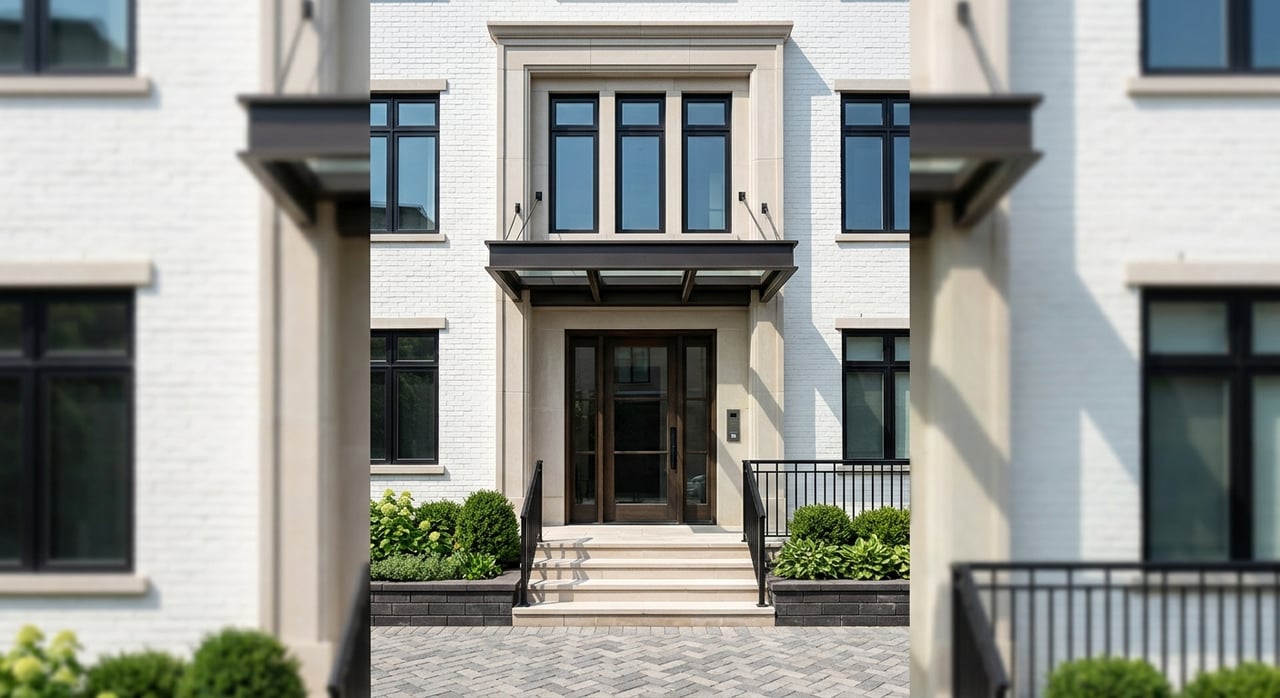
Trying to decide between a condo and a house in Nashville? You are not alone. Many buyers want the right mix of price, convenience, privacy, and location, and that choice can feel harder in a market with very different lifestyle options from Downtown to the outer neighborhoods. This guide will help you compare the real tradeoffs in Nashville so you can choose the kind of home that fits the way you actually want to live. Let’s dive in.
Nashville Prices: Condo vs. House
If budget is one of your biggest decision points, the current price gap is worth a close look. In Davidson County during Q1 2026, the median price was $499,990 for residential single-family homes and $361,000 for condominiums.
That means condos came in about $138,990 lower, or roughly 27.8% less than detached homes. In the broader Greater Nashville region, the median price was $507,418 for single-family homes and $330,528 for condos, which shows a similar pattern.
For many buyers, that lower entry point is what makes condos attractive. It can open the door to homeownership in areas where a detached home may feel harder to reach.
At the same time, houses still make up most of the local market activity. Davidson County recorded 1,622 residential closings in Q1 2026 compared with 438 condo closings, so detached homes remain the more common choice.
Lifestyle First, Property Type Second
The best choice usually starts with your daily routine. If you want a more lock-and-leave setup, less exterior upkeep, and easier access to walkable parts of Nashville, a condo may line up better with your lifestyle.
If you picture more room to spread out, a private yard, and greater control over the exterior of your property, a house may be the better fit. Neither option is better across the board. It depends on what you want your day-to-day life to feel like.
What Condo Ownership Means in Tennessee
A condo is not just a smaller home or a home in a taller building. In Tennessee, condominium ownership means you own your individual unit along with an interest in the common elements of the property.
That ownership structure matters because it affects how the property is managed, budgeted, and maintained. Each unit and its share of the common elements are separately taxed and assessed, and common-expense assessments must be made at least annually based on a board-adopted budget.
In simple terms, when you buy a condo, you are also buying into a shared system. That is why the association documents and financials matter almost as much as the unit itself.
Condo fees are part of the real cost
One of the biggest differences between a condo and a house is how monthly costs are structured. Condo and HOA dues are usually paid directly to the association rather than through your mortgage payment.
Your full monthly housing cost should include:
- Principal and interest
- Property taxes
- Homeowners insurance
- Any needed flood insurance
- HOA or condo dues
Those dues can range from a few hundred dollars per month to more than $1,000. If you are comparing a condo to a house, make sure you are looking at the full monthly picture, not just the purchase price.
Condo documents deserve careful review
Before buying a condo in Nashville, it is smart to review more than the floor plan and finishes. You should also look closely at the declaration, bylaws, budget, reserve study, and special-assessment history.
Tennessee law defines a reserve study as a tool for estimating future replacement costs and helping reduce the need for special assessments. That makes it an important window into how the property plans for big-ticket repairs over time.
Unpaid HOA dues can also lead to collection action and even foreclosure. That is another reason to understand the rules and financial health of the association before you move forward.
What House Ownership Usually Offers
Buying a house often gives you more separation from neighbors, more outdoor space, and more autonomy over the property. For buyers who want a private lot, yard space, or flexibility with exterior changes, that can be a major advantage.
A detached home also usually avoids some of the project-level issues that can come with condo purchases. For example, condo project eligibility can matter if you plan to use FHA or Fannie Mae financing, because the project itself may need approval or review.
That said, a house comes with its own responsibilities. Instead of sharing upkeep through an association, you are generally planning for maintenance on your own.
House costs go beyond the mortgage
When buyers compare houses to condos, they sometimes focus on the lack of HOA dues. But that does not mean the monthly cost is automatically lower.
For a house, you should still budget for:
- Principal and interest
- Property taxes
- Homeowners insurance
- Any needed flood insurance
- Ongoing maintenance and repairs
The key difference is that many of those upkeep costs may be less predictable from month to month. If you value autonomy, that may be worth it. If you value predictability, a condo may feel easier to manage.
Nashville Neighborhoods Can Shape the Answer
In Nashville, your preferred location often points you toward one property type more than the other. The citywide average Walk Score is 29, but walkability changes a lot depending on where you look.
Downtown Nashville has a Walk Score of 98. East End is 88, Germantown is 75, and the Gulch Greenway is 76. These are the kinds of areas where condo living often makes sense for buyers who want easier access to dining, entertainment, and shorter errand trips.
By contrast, more suburban examples tend to be more car-dependent. Green Hills has a Walk Score of 30, Franklin’s citywide average is 23, Brentwood’s is 4, and Mount Juliet’s is 13.
That pattern often lines up with buyers who want houses, larger lots, and more private outdoor space. Even so, each area can have pockets that feel different, so it helps to compare specific neighborhoods instead of relying on a broad label.
How to Choose Based on Your Lifestyle
If you are still torn, try asking yourself a few practical questions instead of chasing a perfect answer. The goal is to match your home to your priorities, not someone else’s idea of what you should buy.
A condo may fit better if you want:
- A lower entry price compared with many detached homes in Nashville
- Less exterior maintenance responsibility
- Shared amenities
- A lock-and-leave lifestyle
- Better access to walkable urban neighborhoods
A house may fit better if you want:
- More privacy
- A private yard or outdoor space
- More control over exterior changes
- Fewer association rules
- More separation from shared common areas
A Simple Nashville Decision Checklist
Sometimes a short checklist makes the choice clearer. If you are comparing a condo and a house in Nashville, focus on these four points first.
1. Compare your full monthly payment
Do not stop at the list price. Add mortgage costs, taxes, insurance, flood insurance if needed, and HOA dues for condos.
2. Think about your weekly routine
Do you want walkability and convenience, or more room and privacy? Your answer will often narrow the field quickly.
3. Review ownership responsibilities
A condo means shared ownership of common elements and a stronger need to review association records. A house usually means more individual responsibility for upkeep and repairs.
4. Match the home to the neighborhood
In Nashville, lifestyle and location are closely tied. Urban, walkable areas often align with condo living, while more car-dependent areas often align with houses.
The Bottom Line for Nashville Buyers
In Nashville, the condo-versus-house decision is rarely just about square footage. It is usually about how you want to live, how you want to spend your money each month, and how much convenience or control matters to you.
If you want lower exterior upkeep, shared amenities, and easier access to walkable parts of the city, a condo may be the better fit. If you want space, a yard, and more autonomy, a house may make more sense.
The good news is that both paths can work well when the choice matches your priorities. If you want expert guidance comparing neighborhoods, monthly costs, and the details that matter most in Middle Tennessee, The Phillips Group is here to help you move forward with confidence.
FAQs
What is the price difference between a condo and a house in Nashville?
- In Davidson County in Q1 2026, the median price was $499,990 for single-family homes and $361,000 for condos, making condos about 27.8% lower.
What should Nashville condo buyers review before making an offer?
- You should review the condo declaration, bylaws, budget, reserve study, special-assessment history, and whether the project supports your intended loan type.
What monthly costs should Nashville buyers compare for condos and houses?
- You should compare principal and interest, property taxes, homeowners insurance, any needed flood insurance, and for condos, HOA dues as part of the full monthly cost.
Which Nashville areas are more likely to suit condo living?
- Walkable urban areas such as Downtown Nashville, East End, Germantown, and the Gulch Greenway often align well with condo living.
Why might a house fit better than a condo in the Nashville area?
- A house may fit better if you want a private lot, yard space, more control over exterior changes, and fewer association rules.