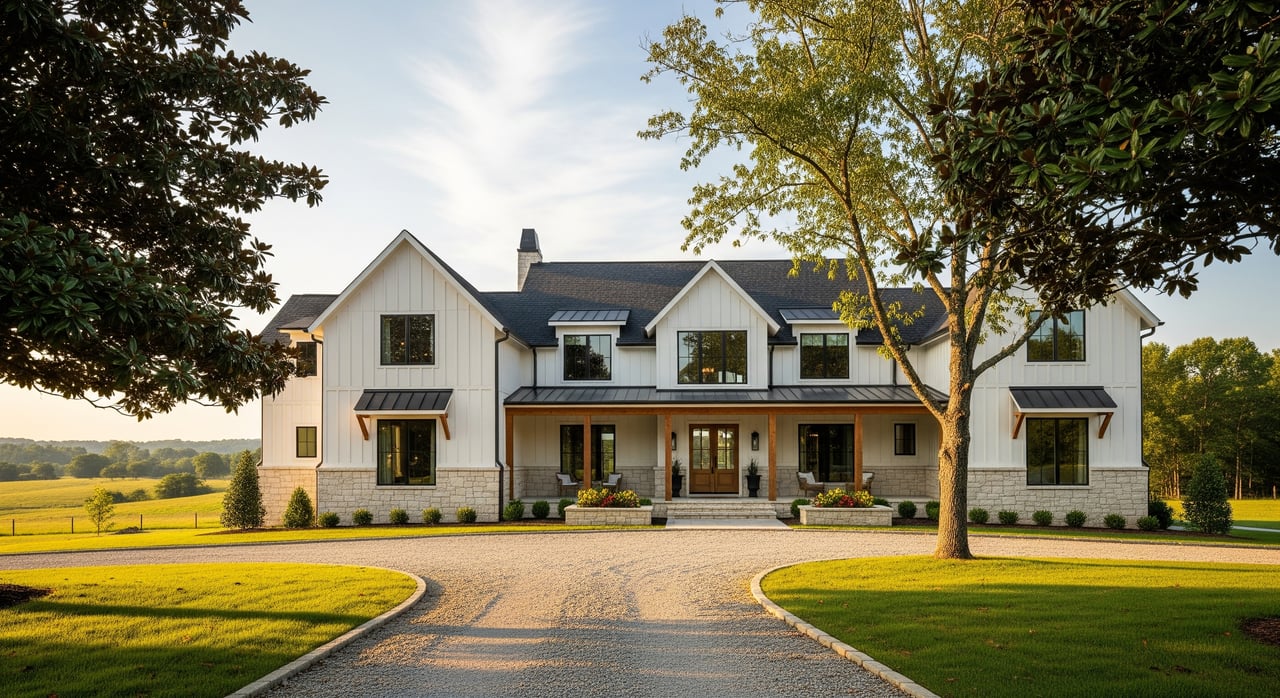
Thinking about building in Nolensville but unsure where to start? You are not alone. Between lot choices, builder contracts, permits, and timelines, the process can feel complex. This guide breaks down how new construction works in Nolensville and Williamson County so you can plan with confidence and avoid costly surprises. Let’s dive in.
What new construction means here
In Nolensville, you typically choose among four paths:
- Buy a finished new home from a production builder.
- Build a production home with preset plans and options.
- Build semi-custom by modifying a plan and selecting finishes.
- Build fully custom on a lot you own or purchase.
Local rules matter. Some lots fall under the Town of Nolensville. Others sit in unincorporated Williamson County. Confirm the responsible authority for your specific lot because it affects permits, inspections, utilities, and some fees.
HOAs are common in new communities. Expect architectural guidelines, exterior standards, and community fees. Sloped or wooded lots can carry premiums and may need extra grading or retaining walls. Clarify who is responsible for grading and erosion control before you sign.
Step-by-step process
Lot selection and due diligence
Start by narrowing the type of lot that fits your goals and budget. Then verify key details before you commit:
- Zoning and allowable uses, including setbacks and stormwater requirements.
- HOA covenants and architectural review rules for exterior materials.
- Utility availability and estimated tap or impact fees.
- Floodplain status, drainage, and grading plan.
- Easements for access or drainage, and any tree preservation requirements.
- Current ALTA/land survey and preliminary title report that match the legal description.
Tip: Request a written lot premium and a site plan that shows driveway location, retaining walls, and finished floor elevation.
Builder selection and contract review
Builders generally fall into three groups: production, semi-custom, and custom. Production builders move faster with standardized plans. Semi-custom and custom builders allow more design flexibility but typically require more time and decisions.
Focus on the contract and the detailed specification sheet:
- Base price and what is included versus upgrades.
- Allowances for flooring, cabinets, countertops, lighting, and plumbing fixtures.
- Change-order process, pricing, and how changes impact the timeline.
- Deposit schedule, draw schedule, and whether funds are escrowed.
- Construction timeline, remedies for long delays, and closing/occupancy conditions.
- Warranty terms, dispute resolution process, and transferability.
- Builder license, insurance, and lien waivers at closing.
Ask for model numbers on HVAC equipment, windows, insulation values, and exterior materials. Vague specs are a red flag.
Financing your build
Get pre-approved early. Construction financing takes longer than a standard mortgage and requires detailed plans and a schedule.
Common options include:
- Construction-to-permanent loans that convert to a mortgage at completion.
- Standalone construction loans with interest-only payments during the build, followed by refinancing.
- Cash or builder financing with incentives in some communities.
Expect your lender to order draw inspections tied to milestones. The lender will also review the builder’s credentials, permits, title status, and approved plans and specs.
Permits and pre-construction
Your builder or architect submits plans to the correct permitting office based on your lot location. Plans are reviewed for zoning, building code, and stormwater compliance. Many subdivisions also require an HOA or Architectural Review Committee approval before permits are issued.
Budget for permit fees, utility tap or impact fees, and in some cases escrow or bonds for erosion control or road impacts. Confirm the fee schedule early.
Construction phases and milestones
Knowing what happens next helps you plan site visits and inspections:
- Site work and foundation: Clearing, grading, utilities, form and pour. Verify waterproofing and foundation drains as needed.
- Framing and exterior shell: Framing, roof, windows, and exterior doors.
- Rough-in mechanicals: HVAC, plumbing, and electrical. Jurisdictional inspections occur before insulation.
- Insulation and drywall: Inspections for energy and structural compliance where applicable.
- Interior finishes: Cabinets, countertops, paint, flooring, trim, plumbing and lighting fixtures, and appliances.
- Final systems testing and punch list: HVAC balancing and final electrical and plumbing checks, plus your punch list of items to correct.
- Certificate of Occupancy: Issued once the home meets code. Some builders offer a homeowner orientation before closing.
Timeline expectations
Timelines vary by builder type, weather, materials, and permit workloads:
- Production or spec homes: Often the fastest once a lot is ready.
- Semi-custom: Adds time for plan changes and selections.
- Custom: Longest planning and build cycle due to design and site work.
Ask for a written projected schedule, including milestones. Confirm how delays are handled and whether the contract includes reasonable remedies for extended missed deadlines.
Inspections, codes, and quality checks
Expect staged jurisdictional inspections for foundation, framing and rough-ins, insulation, and final completion. Local governments in Tennessee adopt versions of the International Residential Code and related model codes. Confirm which code edition and local amendments apply to your specific lot.
Many buyers also hire independent inspectors at key points, such as pre-drywall and pre-closing. Third-party inspections provide an extra layer of quality control that complements local inspections.
Warranties and post-closing service
Most builders provide tiered warranty coverage. A common structure is:
- One year for workmanship and materials.
- Two years for certain major systems.
- Ten years for structural elements through a builder or third-party provider.
Review the warranty packet for what is covered, response times, exclusions, and the claims process. Ask whether the warranty is transferable and how to submit service requests. Many builders offer a one-year walk-through to address items that emerge through the seasons.
New construction vs resale
New construction offers modern plans, energy-efficient systems, and warranties. You can personalize finishes and, with semi-custom or custom, tweak the layout. The tradeoffs are timeline uncertainty, newer landscaping, and possible higher cost per square foot depending on upgrades and lot premiums.
Resale homes offer immediate occupancy and established neighborhoods. You may have more room to negotiate price or seller concessions. The tradeoffs are older systems, potential maintenance, and less control over finishes.
If you are relocating, weigh your move-in timeline, budget, and desire for personalization. A local agent can help you compare actual options side by side.
Red flags and negotiation levers
Watch for these issues and address them before you sign:
- Incomplete or vague specification sheets.
- Aggressive deposit schedules without escrow protections.
- No clear change-order pricing or timeline impacts.
- No remedies for long delays or missed milestones.
- Resistance to third-party inspections.
- Warranty terms with major exclusions or that are not transferable.
Negotiation often focuses on realistic allowances, change-order terms, closing cost credits, or upgrades. Ask about incentives tied to using preferred lenders or title companies.
Practical buyer checklist
Use this as a quick reference throughout your build.
Before signing:
- Current survey and title report, matching the lot’s legal description.
- HOA covenants and architectural guidelines.
- Builder license, references, and insurance certificates.
- Sample contract and detailed specifications with model numbers.
- Grading plan, drainage, and floodplain confirmation.
- Utility availability and estimated fee schedule.
During the build:
- Written construction schedule with milestones.
- Copies of permits and inspection approvals as issued.
- Documented change orders with pricing and timing impacts.
- Draw schedule and lien waivers at each disbursement.
- Insurance certificates updated as needed.
At closing:
- Certificate of Occupancy and final inspection reports.
- Executed lien waivers and title-clearance documents.
- Warranty packet and appliance manuals.
- HOA transfer documents and community contacts.
- Operating instructions for systems such as HVAC.
After closing:
- Schedule your one-year warranty walk-through.
- Track service requests in writing with photos.
- Keep copies of all correspondence with the builder or warranty provider.
How The Phillips Group helps
Building in a fast-growing area like Nolensville requires coordination and clear communication. As a boutique, concierge-style team backed by Keller Williams systems, we help you:
- Compare lots, builders, and contracts with local market context.
- Coordinate lenders who offer construction or construction-to-perm loans.
- Arrange independent milestone inspections and trusted surveyors.
- Track permits, milestones, and change orders so you stay ahead of delays.
- Prepare for closing, verify lien waivers, and confirm punch-list progress.
- Advocate post-close by guiding warranty requests and next steps.
You deserve a smooth build and a confident move-in day. If you are planning new construction or weighing it against resale, let’s talk about timelines, neighborhoods, and budget. Connect with The Phillips Group to get a local, step-by-step plan that fits your family’s goals.
FAQs
How long does a new build in Nolensville take?
- Timelines depend on builder type and lot conditions; production homes are often faster, semi-custom adds time for selections, and custom builds take the longest due to design, site work, and permitting variables.
Who handles permits and inspections for Nolensville homes?
- The permitting and inspection authority is either the Town of Nolensville for in-town lots or Williamson County for unincorporated parcels; confirm which applies to your specific lot.
What warranties come with new construction in Williamson County?
- Many builders offer one-year workmanship coverage, longer coverage for major systems, and ten-year structural protection; review the exact warranty documents for coverage, exclusions, and transferability.
Can you make changes during construction in Nolensville?
- Most builders allow changes through written change orders that add cost and may extend the timeline; confirm pricing, deadlines, and approval steps in your contract.
How are construction loan draws and payments handled?
- Lenders disburse funds in draws after inspections tied to milestones, while builder financing terms vary; verify the draw schedule and ensure lien waivers are provided at each payment.